
How to Protect Your Smile Between Routine Cleanings
June 1, 2026 3:59 pmA fresh dental cleaning has a way of making your teeth feel almost brand new. Your tongue keeps checking how smooth they feel, your smile looks a little cleaner, and for a moment, you may feel like you have hit the reset button. Then the regular parts of life show back up. Coffee. Snacks. Busy mornings. Late nights. A few skipped flossing sessions that somehow turn into a week.
That is where the time between cleanings really counts. Your dental visits do important work, but the small choices you make at home decide how much plaque, tartar, stain, and gum irritation build up before your next appointment. Most of it is not complicated. It is the everyday stuff, done consistently, that keeps your mouth from getting away from you.
At Corby W. Gotcher, D.D.S. in Lake Jackson, TX, Dr. Corby W. Gotcher helps patients keep their teeth and gums healthy with care that continues beyond the dental chair. Between routine cleanings, a few practical habits can help your smile stay cleaner, your gums stay healthier, and your next dental visit feel a whole lot easier.
Brush Well Without Brushing Too Hard
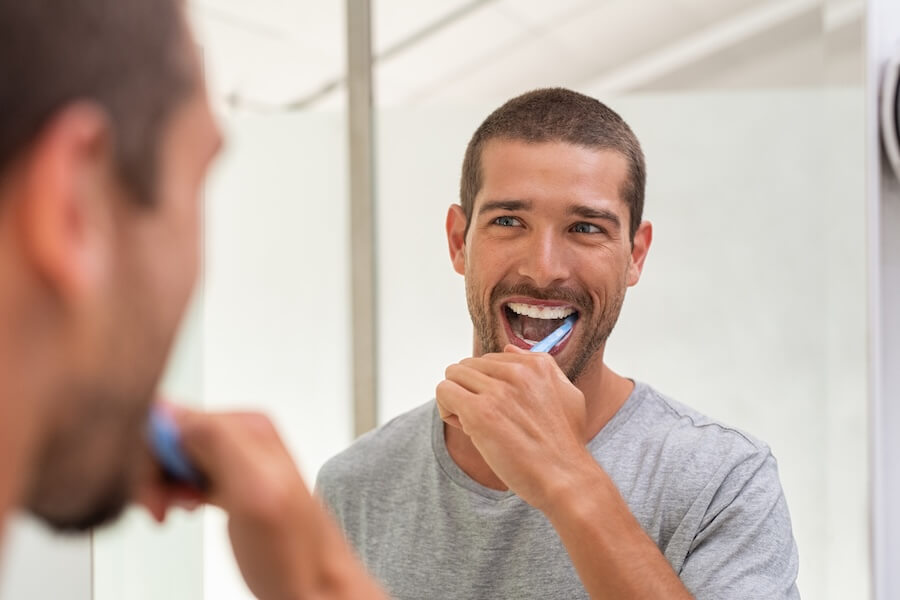
Brushing twice a day is familiar advice, but the way you brush matters just as much as whether you brush. A lot of people rush through it, press too hard, or miss the same areas every day without realizing it. Harder brushing may feel like it should clean better, but teeth and gums do not need that kind of treatment.
Use a soft-bristled toothbrush and gentle pressure. Aim the bristles toward the gumline and use small motions instead of wide, rough strokes. Give extra attention to the back teeth, the inside surfaces, and the places where plaque tends to collect.
Two minutes is a good goal. If that sounds longer than your usual brushing time, it probably is. An electric toothbrush with a timer can help, although a regular toothbrush can still do the job when you use it carefully.
Also, replace your toothbrush or brush head every few months, or sooner if the bristles start flaring out. Once a toothbrush looks worn down, it is not cleaning as well as it used to, even if it has been a loyal little bathroom companion.
Clean Between Your Teeth Every Day
Flossing is easy to treat like an optional bonus, but the spaces between your teeth are exactly where a toothbrush struggles. Plaque and food particles can settle into those tight areas and sit there, especially near the gumline.
Cleaning between your teeth once a day helps lower the risk of cavities between teeth and gum inflammation. If string floss feels awkward, try floss picks, interdental brushes, or a water flosser. The best choice is the one that makes it into your routine.
Technique helps too. Snapping floss into the gums can cause irritation. Instead, guide it gently between the teeth, curve it around each tooth, and move it up and down along the side of the tooth.
If your gums bleed when you start flossing again, do not panic and quit right away. Bleeding can happen when the gums are inflamed. However, if bleeding continues with gentle daily care, or if your gums feel swollen or sore, schedule a visit with Dr. Gotcher so the area can be checked.
Give the Gumline a Little More Attention
The gumline is one of the easiest places to miss and one of the most important places to clean. Plaque likes to settle where the teeth and gums meet. If it sits there too long, the gums can become red, puffy, tender, or more likely to bleed.
When brushing, slow down along the edge of the gums. You do not need to scrub. Let the bristles gently clean that border where plaque tends to hang around. It is a small habit, but it helps keep gingivitis from getting a foothold.
It also helps to pay attention to changes. If your gums bleed often, look darker red than usual, feel tender, or seem to be pulling away from the teeth, do not wait months to mention it.
Healthy gums do not always get much attention because they are not the showy part of a smile. Still, they are doing important work every day, and they deserve more than a quick pass with the toothbrush.
Keep Snacks From Turning Into an All-Day Event
Snacking is not the enemy, but constant grazing can be hard on teeth. Every time you eat, bacteria in your mouth produce acids. If snacks stretch across the whole afternoon, your teeth do not get much time to recover.
Sticky, sweet, and starchy snacks can be especially stubborn. Candy, dried fruit, chips, crackers, and granola bars can cling to grooves and between teeth. Even snacks that do not seem very sweet can feed bacteria once they break down in the mouth.
Instead of nibbling all day, try to keep snacks more intentional. Eat, rinse with water, and move on. Cheese, nuts, vegetables, plain yogurt, and fresh fruit can be better everyday choices than foods that stick around long after the snack is over.
You do not need a perfect diet to protect your smile. However, your teeth appreciate breaks. They do better when they are not being asked to handle sugar, starch, and acid from morning until bedtime.
Make Water the Drink You Reach for Most Often
Water is simple, but it does a lot for your mouth. It rinses away food particles, helps with dry mouth, and does not coat your teeth in sugar or acid. Around Lake Jackson, where heat and humidity can make hydration a daily concern, keeping water nearby is good for more than your smile.
Soda, sweet tea, sports drinks, energy drinks, juice, and flavored coffees can all contribute to cavities when they are sipped often. The problem is not only what is in the drink. It is how long the drink stays in contact with your teeth.
If you enjoy sweet or acidic drinks, try having them with a meal instead of sipping them for hours. Afterward, drink water to help clear the mouth.
A water bottle in the car, at work, or near your desk can help more than you might expect. It is not fancy. It is just useful, and your teeth will take useful any day.
Be Smart About Acidic Foods and Drinks
It may seem helpful to brush right after soda, citrus, lemonade, vinegar-based foods, or sports drinks. However, acidic foods and drinks can temporarily soften the outer enamel surface. Brushing right away, especially with firm pressure, can be rough on your teeth.
Rinse with water first. Then give your saliva a little time to help neutralize the acids before brushing. That pause can help protect enamel while still keeping your mouth clean.
Acidic items can include orange juice, sour candy, soda, energy drinks, pickles, lemonade, and some salad dressings. You do not have to cut them all out, but timing helps.
If your teeth often feel sensitive after acidic foods or drinks, mention it at your next visit. Sensitivity can come from enamel wear, gum recession, cavities, or grinding, and it is better to know which one you are dealing with.
Use Tools That Fit Your Mouth
Not every person needs the same home care routine. Some people do well with a manual toothbrush and floss. Others need extra help because of bridges, implants, braces, gum recession, tight spaces, or limited hand mobility.
An electric toothbrush can help if you tend to rush or brush unevenly. A water flosser can be useful around dental work or areas that trap food. Interdental brushes may work well for spaces that are too wide for floss alone.
If you already have a drawer full of dental products you barely use, you are not the only one. Sometimes the problem is not motivation. Sometimes the tool just does not fit your mouth or your routine.
Ask Dr. Gotcher or the dental team which products make sense for you. A few well-chosen tools are better than a bathroom counter full of things you bought with good intentions and never reached for again.
Notice Small Changes Before They Become Bigger Problems
Between routine cleanings, pay attention to what feels different. A tooth that reacts to cold, gums that bleed, a rough edge on a filling, bad breath that does not improve, jaw soreness, or pain when chewing are all worth noticing.
Small changes do not always mean something serious is happening. However, they can be early signs of a cavity, cracked tooth, gum issue, worn filling, bite problem, or grinding habit.
Waiting until pain gets intense can make treatment more involved. A small cavity may need a filling. A larger cavity may need a crown or root canal. Gum inflammation may improve with cleaning and better home care, but advanced gum disease requires more attention.
If something feels off and does not improve, call the office. You do not have to wait for your next routine cleaning to ask about a concern. Teeth are easier to treat when they are not shouting for help.
Protect Your Teeth From Grinding and Clenching
Grinding and clenching can wear down teeth, chip enamel, strain jaw muscles, and place extra stress on fillings and crowns. Some people know they grind because someone hears it at night. Others only notice morning jaw soreness, headaches, sensitive teeth, or flattened edges.
Stress, sleep habits, bite alignment, and daily tension can all play a role. Many people clench without realizing it, especially while driving, working, lifting weights, or concentrating.
If Dr. Gotcher sees signs of grinding, a custom nightguard may be recommended. A nightguard helps protect the teeth from heavy pressure while you sleep.
During the day, try to catch yourself clenching. Your teeth should not be touching all the time. Let your jaw relax, keep your lips together, and let your teeth rest slightly apart. Your jaw does not need to be working overtime.
Do Not Use Your Teeth as Tools
Teeth are excellent at chewing food. They are not great scissors, bottle openers, package cutters, nail clippers, or ice crushers. Using them that way can chip enamel, crack a tooth, loosen dental work, or turn a normal day into an unexpected dental appointment.
Biting tags, tearing plastic, cracking nuts, holding pins, chewing pens, and crunching ice are all habits that can cause trouble. It only takes one wrong angle for a tooth or filling to give way.
If you catch yourself using your teeth for anything besides food, pause and grab the right tool. That one second can save you from a lot of inconvenience.
A strong smile still has limits. Treating your teeth like teeth is one of the simplest ways to keep them out of trouble.
Keep Routine Cleanings on the Calendar
Even with good home care, routine cleanings are still important. Plaque can harden into tartar, and once tartar forms, it cannot be removed with a toothbrush or floss at home.
Professional cleanings remove buildup, polish away surface stains, and help keep your gums healthier. They also give Dr. Gotcher a chance to check for cavities, gum disease, worn enamel, cracked teeth, failing fillings, oral cancer concerns, and bite changes.
For many patients, cleanings every six months work well. However, some people need a different schedule depending on gum health, tartar buildup, medical conditions, or a history of periodontal disease.
If life gets busy, it is easy for a cleaning to slide from “next month” to “sometime later.” Scheduling your next visit before you leave the office can keep it from falling off the map.
Protecting Your Smile in Lake Jackson, TX
Protecting your smile between routine cleanings is not about doing everything perfectly. It is about building a handful of habits that keep plaque, acid, sugar, and inflammation from getting too comfortable.
Brush gently, clean between your teeth, drink more water, limit all-day snacking, protect your teeth from grinding, and stop using them as tools. Also, pay attention when something feels different. A small concern is easier to deal with when it is still small.
At Corby W. Gotcher, D.D.S. in Lake Jackson, TX, Dr. Corby W. Gotcher helps patients keep their smiles healthy through routine cleanings, exams, and practical guidance for home care. If you are due for a cleaning or have noticed sensitivity, bleeding gums, jaw soreness, or a rough spot on a tooth, schedule a visit. Your smile is easier to maintain when you have the right care on both sides of the appointment.
FAQs
How often should I get routine dental cleanings? Many patients do well with cleanings every six months, but some need more frequent visits based on gum health, tartar buildup, medical conditions, or a history of periodontal disease.
What is the best way to protect my teeth between cleanings? Brush twice a day, clean between your teeth daily, drink water often, limit frequent snacking, and call your dentist if you notice pain, bleeding, sensitivity, or changes in your bite.
Is flossing really necessary if I brush well? Yes. A toothbrush cannot fully clean between teeth. Flossing or using another interdental tool helps remove plaque from areas your brush cannot reach.
Why do my gums bleed when I floss? Bleeding can happen when gums are inflamed or when flossing technique is too rough. If bleeding continues with gentle daily flossing, schedule a dental visit.
Should I brush right after drinking soda or citrus juice? It is better to rinse with water first and wait before brushing. Acidic drinks can temporarily soften enamel, and brushing right away may be rough on the teeth.
When should I call the dentist between cleanings? Call if you have tooth pain, sensitivity that does not improve, bleeding gums, swelling, a chipped tooth, a rough filling, jaw pain, or bad breath that keeps coming back.
Contact UsCategorised in: Uncategorized